Quinn Hughes · 11 November 2026
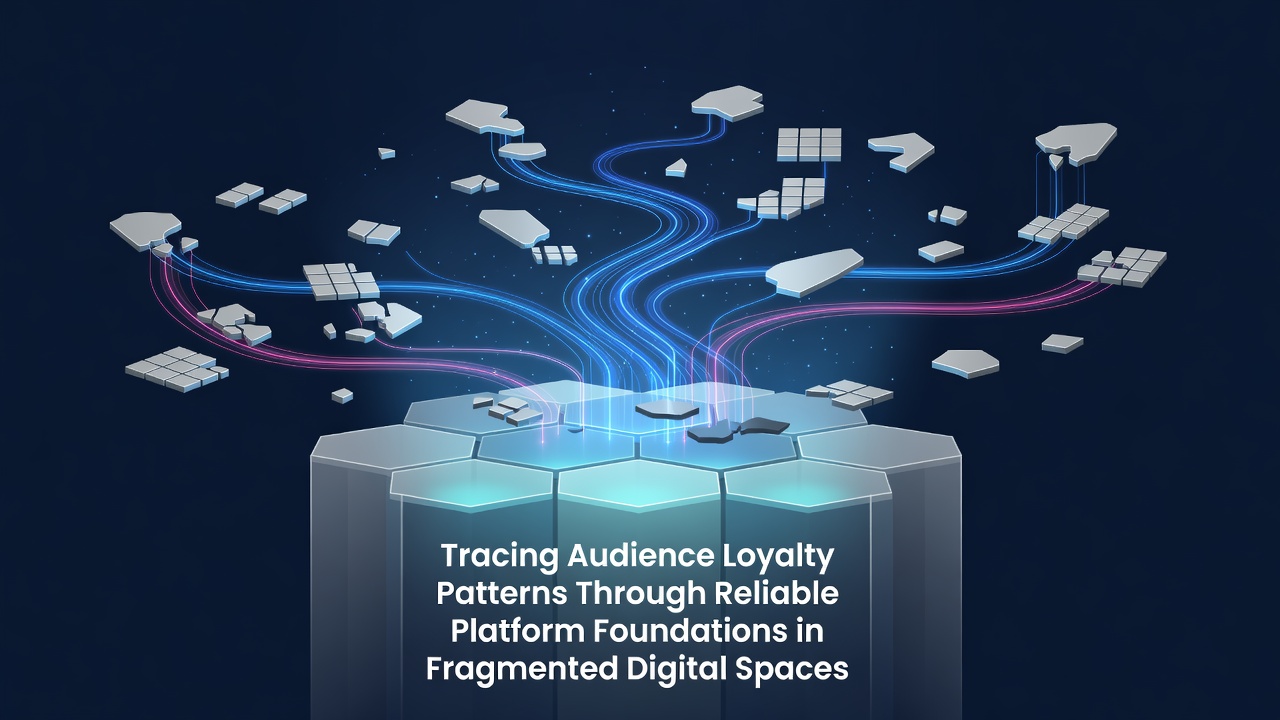
Tracing Audience Loyalty Patterns Through Reliable Platform Foundations in Fragmented Digital Spaces
Digital environments continue to split across numerous channels, devices, and services, which creates challenges for organizations seeking to monitor how audiences maintain connections over time. Reliable platform foundations provide the structured data layers that allow patterns in loyalty to surface through consistent measurement rather than scattered observations. Researchers at institutions such as Pew Research Center have documented rising use of multiple content sources simultaneously, and this behavior requires systems capable of linking interactions across those sources without losing continuity.
Platform Foundations and Data Continuity
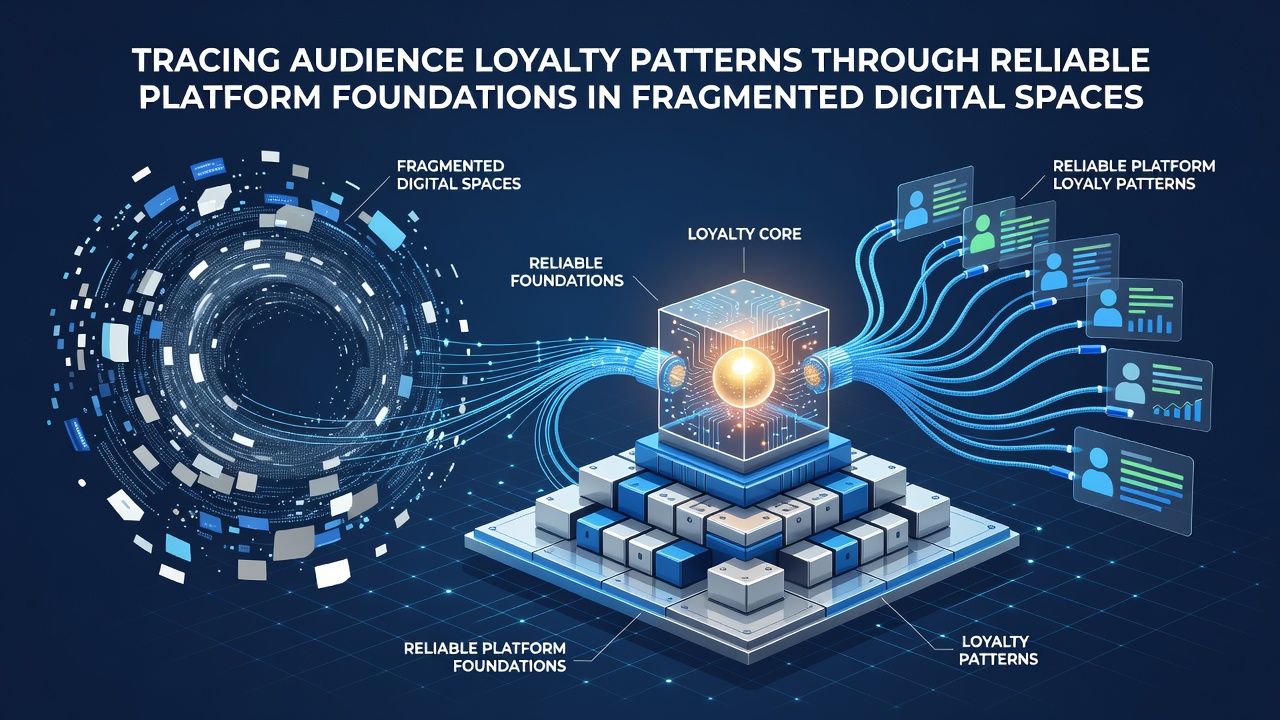
Stable infrastructure supports the collection of identifiers, timestamps, and behavioral signals that remain comparable even when users move between applications or websites. Organizations rely on standardized protocols to aggregate these signals into unified profiles, and the process reveals repeat engagement sequences that indicate loyalty rather than one-off visits. Data from the Australian Bureau of Statistics shows steady growth in cross-device media consumption through 2025, with projections extending into late 2026 indicating further increases in simultaneous platform usage.
Analysts examine retention curves generated from these aggregated records to identify which platform combinations produce sustained attention. When foundations include clean data pipelines and verified user consent layers, the resulting datasets support longitudinal studies that track the same cohort across months or years. Observers note that gaps in these foundations often lead to fragmented records that obscure whether audiences return because of content quality or because of algorithmic prompts.
Fragmentation Effects on Measurement
Fragmented digital spaces arise from the proliferation of short-form video services, niche forums, messaging apps, and personalized feeds that operate under separate technical standards. Each environment captures its own slice of activity, and without shared foundations the pieces resist combination into coherent loyalty narratives. Studies conducted by Eurostat on European digital participation highlight how users distribute time across five or more distinct services weekly, which multiplies the points at which measurement can break down.
Teams address this by implementing identity resolution frameworks that operate within privacy regulations and still permit pattern detection. These frameworks map anonymized sessions to broader trends, revealing that certain audience segments exhibit loyalty through consistent topic exploration even when surface-level platforms change. In November 2026, updated regulatory guidance from multiple jurisdictions is expected to refine consent requirements further, affecting how long historical linkage remains feasible.
Analytical Approaches to Loyalty Patterns
Methods for tracing loyalty include cohort analysis, path modeling, and predictive scoring derived from historical interaction logs. Reliable foundations supply the timestamps and metadata needed for these techniques to function accurately across device switches and app updates. Research reports from Statistics Canada illustrate how regional audiences maintain topic-based loyalty while platform preferences shift seasonally, demonstrating the value of stable underlying records.
Practitioners apply clustering algorithms to group users by return frequency and content depth, then test whether those clusters persist when new platforms enter the ecosystem. The approach yields maps that show which entry points correlate with longer-term retention. Experts have observed that audiences who begin on established platforms with strong data integrity tend to carry measurable loyalty signals into newer environments more readily than those entering through less structured channels.
Integration of Multiple Data Streams
Combining first-party records with limited third-party signals allows organizations to construct fuller pictures of loyalty without violating current consent standards. Reliable platforms enforce schema consistency so that streams from mobile applications, web properties, and emerging interfaces align for joint analysis. Academic papers from Canadian universities have examined how such integration affects estimates of repeat visitation in news and entertainment sectors.
Real-time dashboards built on these foundations surface anomalies quickly, such as sudden drops in cross-platform return rates following interface changes. Teams then isolate whether the shift stems from user behavior or from data collection interruptions. This diagnostic capacity proves essential in environments where audiences experiment with alternative services yet retain underlying affinities for particular topics or creators.
Conclusion
Tracing audience loyalty in fragmented digital spaces depends on platform foundations that preserve data continuity across changing conditions. Evidence from government statistical agencies and research bodies demonstrates that consistent measurement layers enable clearer identification of retention patterns even as user journeys multiply. Continued refinement of these foundations through 2026 and beyond will determine how effectively organizations can follow loyalty signals amid ongoing platform diversification.